Central Europe in 14 days
A road trip from Prague to Venice through seven countries: baroque libraries, a salt mine, alpine passes, and long walks through old towns.
Shorter versions skip whole days, the ones I'd skip myself; longer ones add only what I'd go back for. Every day has a Google Maps link; the My Maps file has every place (import it at google.com/mymaps).
Prague to Venice by car
Fly into Prague, fly out of Venice, and drive in between. The cities are best on foot, so the days alternate: whole days walking in Prague, Krakow, Budapest and Vienna, and driving days that string together caves, castles and mountain passes.
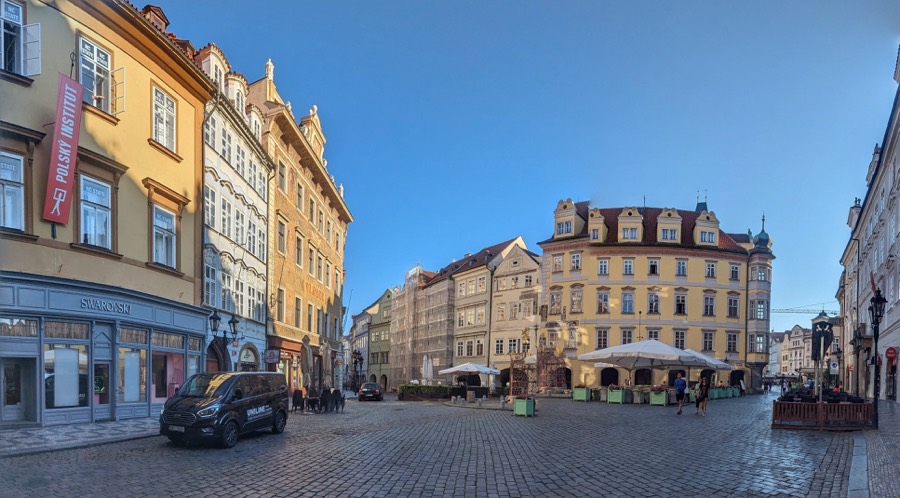
Day 1
Prague, Czechia “City of a Hundred Spires”
- Walk Dancing House → Hanging Umbrella Man → Franz Kafka – Rotating Head → Man Hanging Out (Sigmund Freud) → Prague Jewish Quarter → Prašná brána (climb the tower)
- Walk Old Town Square: Prague Astronomical Clock → Památník Jana Husa → Týn Church → St. Nicholas' Church
- Walk St. Francis of Assisi Church → Charles Bridge on the Vltava → Prague Castle → St. Vitus Cathedral → The Golden Lane
- Eat Beef goulash, salami at Lokál Dlouhááá
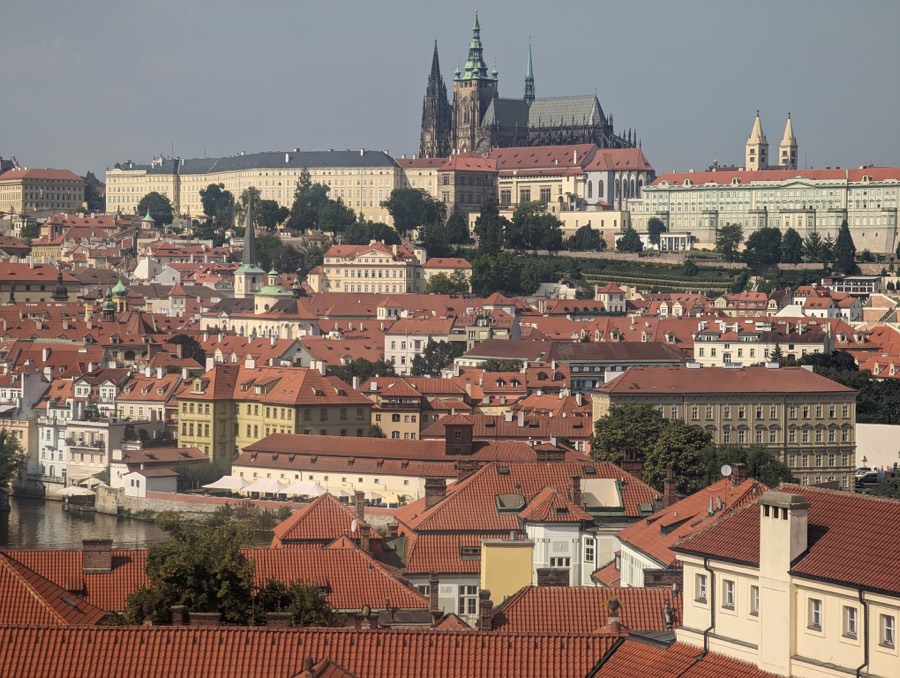
Day 2
Prague, then drive to Brno via Kutná Hora
- See Il Commendatore by Anna Chromý, by the Estates Theatre
- See Klementinum (baroque library) – guided tour
- See Strahov Monastery – museum, baroque library
- Eat Lunch at Strahov Monastery – best beer and food of the entire trip. Beer: IPA + dark beer brewed by the monastery. Food: pork tenderloin, steak (Best food & beer)
- See Sedlec Ossuary, Kutná Hora (chapel adorned with human skeletons)
- See Ukraine war exhibit, Brno-střed
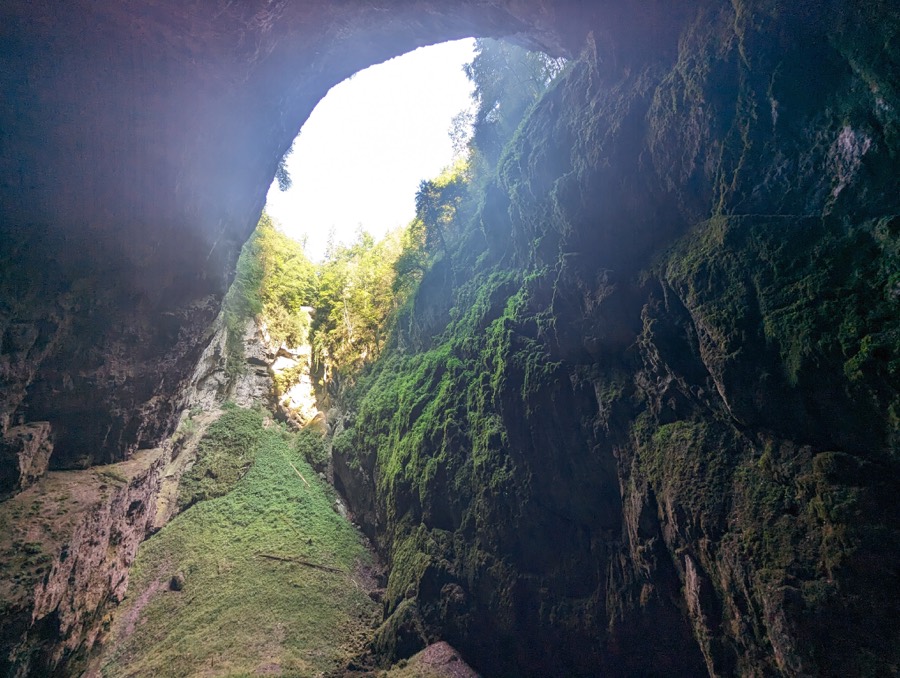
Day 3
Drive to Krakow, Poland from Brno
- See Moravian Karst (labyrinth of underground caves and stunning rock formations) – guided tour — Skalní mlýn, Punkva Caves, Macocha Abyss (take the funicular)
- See Memorial and Museum Auschwitz-Birkenau
- Eat Dinner at Hamsa, Kazimierz Jewish Quarter
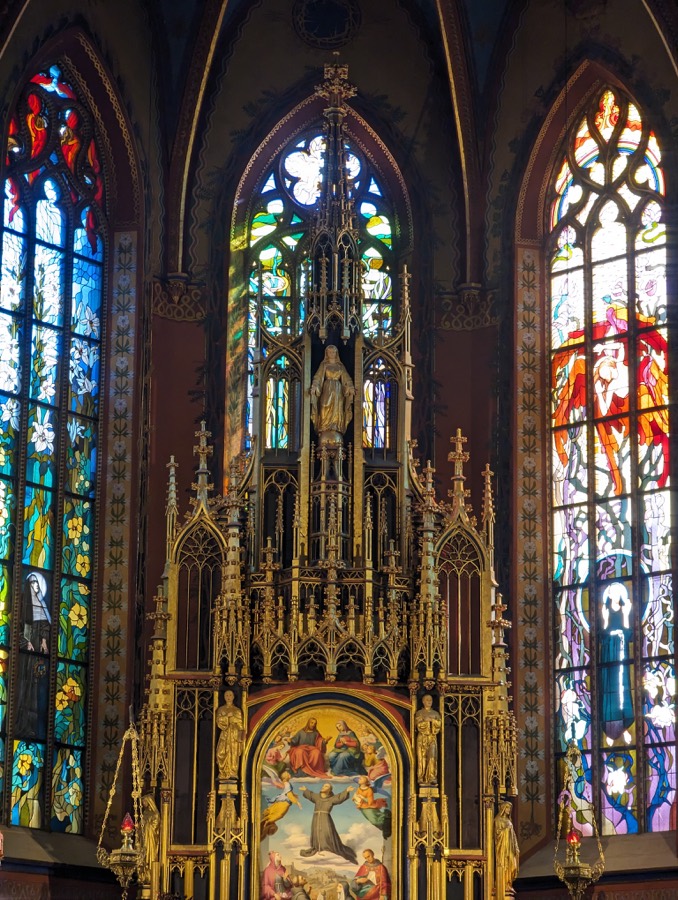
Day 4
Krakow, Poland
- Walk Stare Miasto (historic center): St. Florian's Gate → Main Market Square (Rynek Główny) → St. Mary's Basilica → Rynek Underground Museum → The Cloth Hall → Basilica of St. Francis → Town Hall Tower (climb up) → Planty gardens
- Walk Wawel Royal Castle and cathedral → Wejście do Smoczej Jamy (cave under the castle) → Fire-breathing dragon statue → Vistula river
- Walk Kazimierz Jewish Quarter
Day 5
Wieliczka and Zakopane, Poland
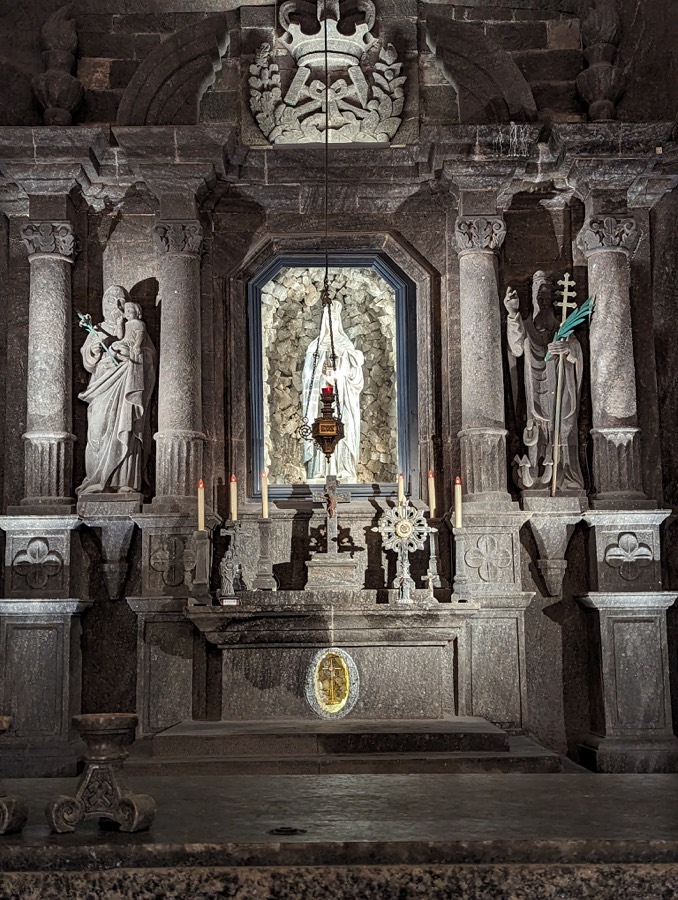
- See Wieliczka Salt Mine, an underground marvel with intricate salt sculptures and chapels
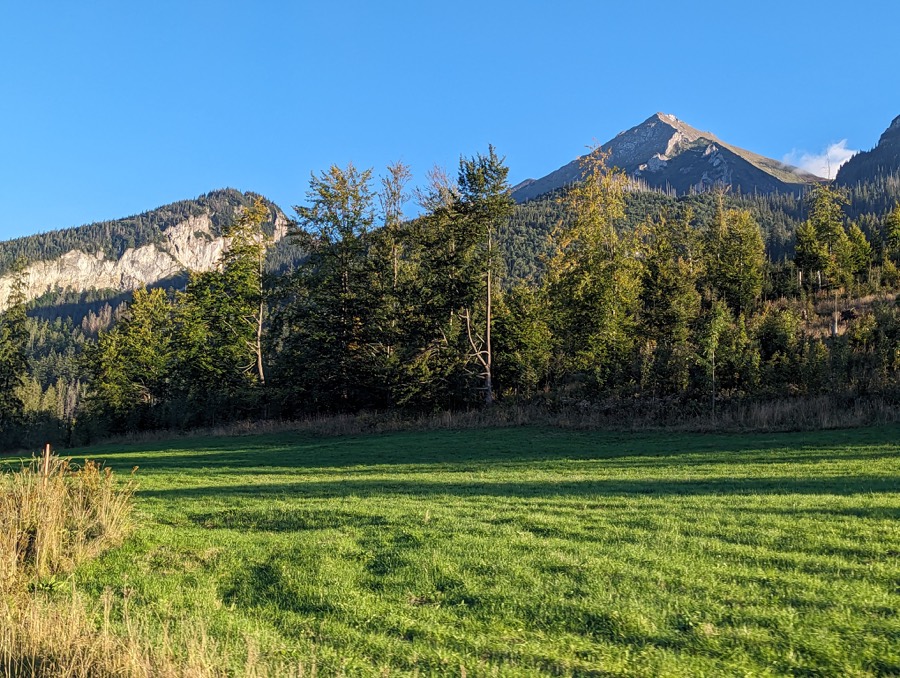
- See Zakopane – the Polish side of the Tatra Mountains: rugged peaks, glacial lakes and deep valleys
- See Gubałówka – take the funicular up the hill, hike down; good views of the valley
- Walk Centrum Miasta (downtown)
Day 6
Drive to Budapest, Hungary via Slovakia
- Eat Excellent breakfast at Restauracja Zakopiańska – tried bliny gryczane
- See Tatra National Park – hike up Sarnia Skała for views
- See A very beautiful drive through Slovakia with views of the Tatras; stop at Ždiar for photos
- Missed An extra day in the Tatras: stay on the Slovak side, and hike to Morskie Oko (on the Polish side)
Day 7
Budapest, Hungary
- Walk Castle district: Vienna Gate → Matthias Church (climb the tower) → Fisherman's Bastion → Buda Castle → Budapest History Museum / Castle Museum → Várkert Bazár (Best city walk)
- Eat Desserts from Ruszwurm Confectionery, Castle district
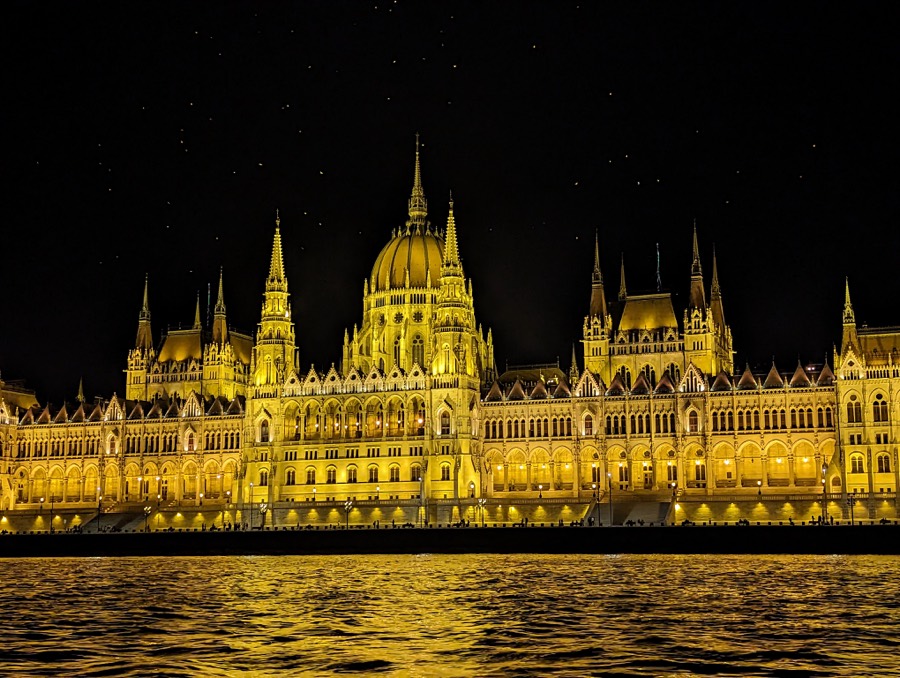
- Walk Hungarian Parliament, from outside (the tour is on day 8) → St. Stephen's Basilica (climb the tower) → Vörösmarty tér – very happening
- See Danube night cruise to admire the city's landmarks
- Missed Central Market Hall
Day 8
Budapest, then drive to Vienna, Austria via Slovakia
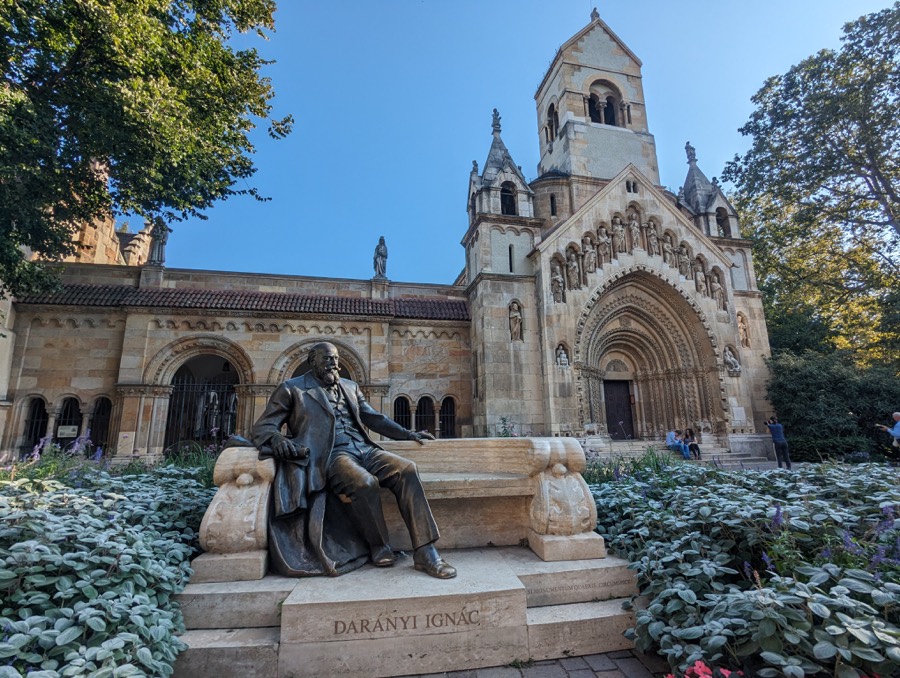
- Walk Széchenyi Thermal Bath → Gatehouse Tower → Vajdahunyad Castle → Museum of Ethnography
- See Hungarian Parliament Building – guided tour
- Eat Etyeki Manor vineyard, Etyek
- Walk Bratislava, Slovakia (nothing special; skippable): Bratislava Castle → Old Town
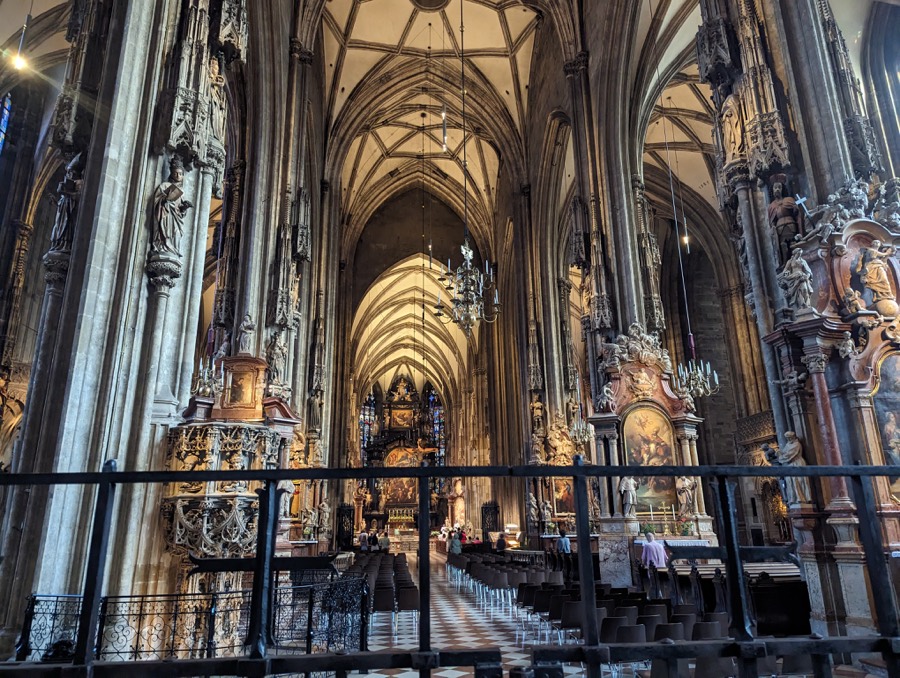
Day 9
Vienna, Austria
- Walk Innere Stadt: Naschmarkt → St. Charles's Church → Vienna State Opera → Michaelerplatz
- Eat Late breakfast at Café Demel: Viennese coffee and pastries, such as Sachertorte and Apfelstrudel
- Walk Austrian National Library → Spanish Riding School → The Hofburg → Kunsthistorisches Museum → Parliament (no guided tour) → Rathausplatz
- See Hundertwasser House and Village
- Walk St. Stephen's Cathedral (elevator up the tower) → Albertina
- See Watch the opera “Daphne” at the Vienna State Opera
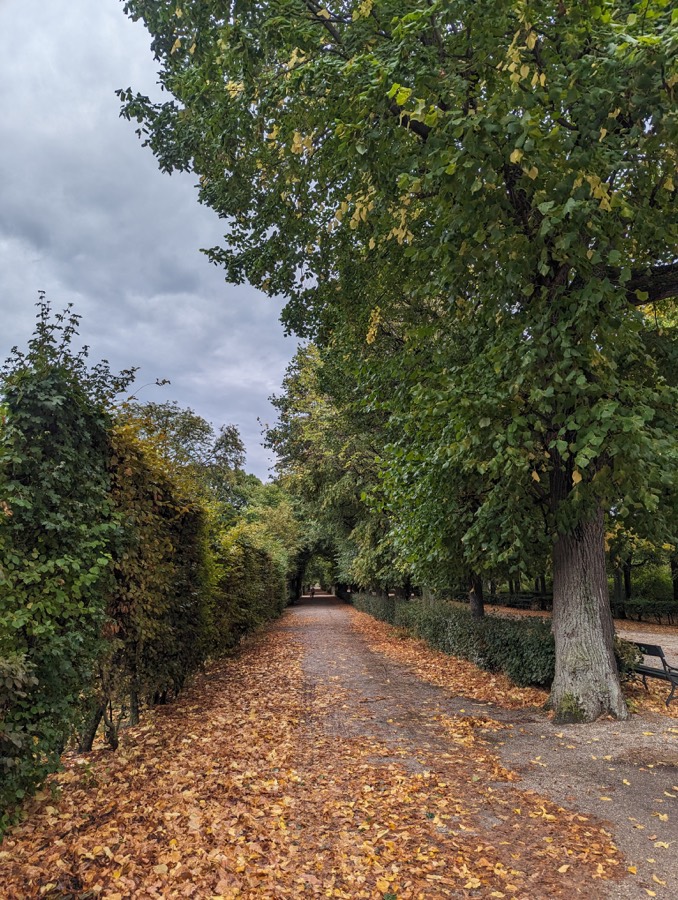
Day 10
Vienna, then drive to Slovenia
- See Schönbrunn Palace (Habsburg architecture) – audio-guided tour
- Eat Heuriger at Fabian Inh. Johann Sloboda, Podersdorf am See – a small family vineyard pouring its own wine; an amazing experience
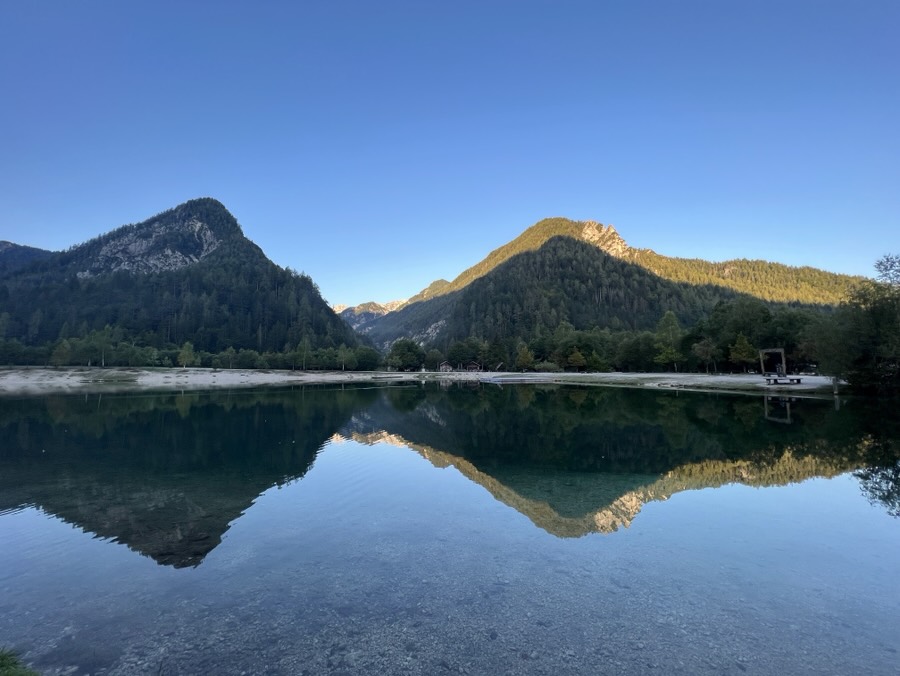
Day 11
Kranjska Gora, Slovenia
- See Lake Jasna
- See A very beautiful drive through Triglav National Park up to the Vršič Pass and back
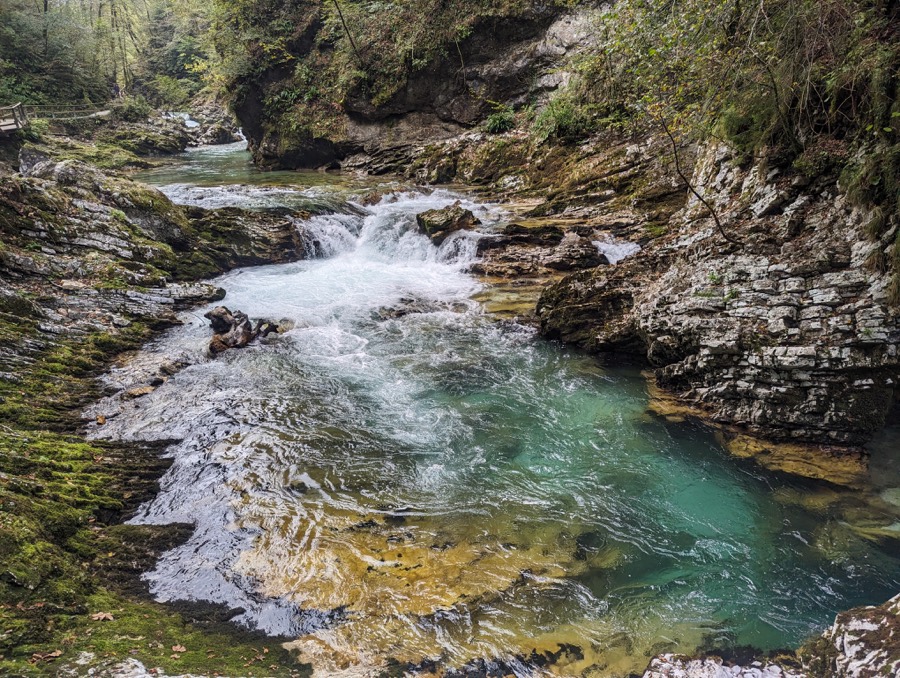
Day 12
Bled, then drive to the Dolomites, Italy
- See Vintgar Gorge – the best nature of the trip: blue, green and yellow water in the gorge (Best nature)
- See Lake Bled, with its island
- See Mountain coaster on Straža hill, Bled – super fun
- See Predjama Castle – seen from outside
- Missed Postojna Cave or Škocjan Caves — Postojna Cave, Škocjan Caves
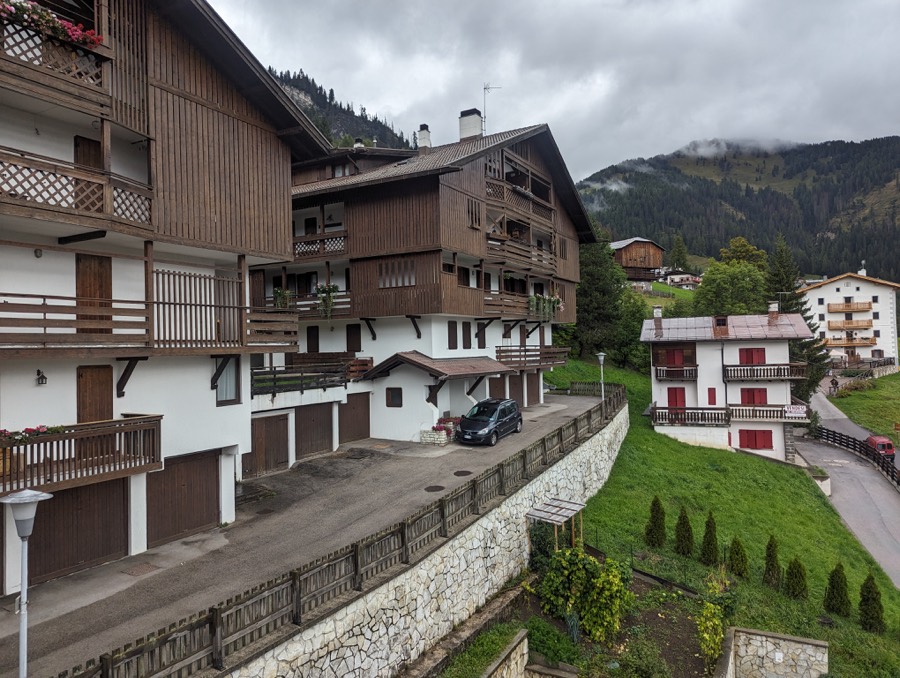
Day 13
The Dolomites, Italy
- See The best drive, with many hairpin bends — Passo Giau, Cascate di Limedes, Lagazuoi cable car (skipped: the top was in cloud), Belvedere di Pocol, Punto Panoramico, Parcheggio Belvedere (Best nature & drive)
- Walk Cortina d'Ampezzo
- Eat Hot chocolate from Pasticceria Panificio Alverà, Cortina
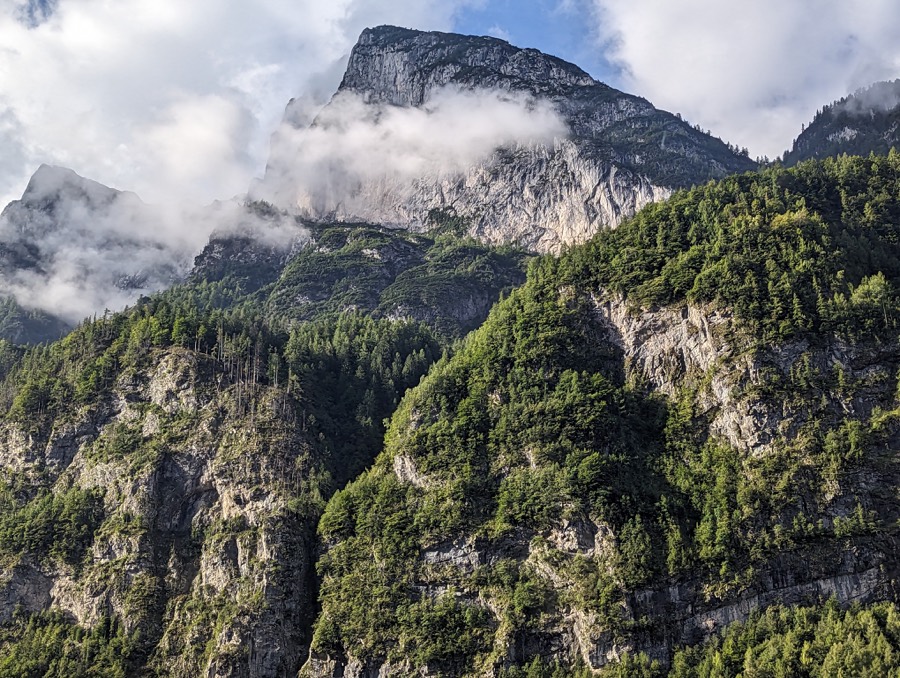
Day 14
The Dolomites, then drive to Venice
- See Lake Alleghe
- See Dolomiti Bellunesi National Park — Valle del Mis – stopped just for fun, Cadini del Brenton, Lago del Mis, Sentiero Natura Val Falcina
- See Leave the car in Mestre and cross the causeway into Venice
- Walk Venice, on foot and by boat: Venezia Santa Lucia station → Rialto Bridge (from the boat) → Basilica dei Frari → St. Mark's Square → Doge's Palace → St. Mark's Basilica → National Archaeological Museum
Thoughts & take-aways
- Most of what you’ll see is Gothic, Renaissance or Baroque, or a 19th-century “neo” revival of one of them. Learn those three and every old town starts to make sense.
- Old towns are built for walking; cars are an afterthought. It’s the opposite of the US.
- Many older buildings have no lift, so people of every age climb stairs every day, and it shows.
- Milk and butter taste noticeably better than at home.
- Water can cost more than beer. In Krakow it even carried 23% tax.
- Beer is mostly mild and pale, made for drinking a lot of it.
- Public toilets usually cost a coin or two; carry change.
- Every bathroom in every apartment has its own quirk.
- The churches everywhere are stunning, and most have a giant pipe organ.
- Leave slack in every city to wander, shop, eat and watch. Some of our best moments weren’t planned.
Where I learnt the most history
The Rynek Underground Museum in Krakow changed how I saw the map.
It sits under the main square. Its maps put Krakow at the centre of medieval Europe’s trade routes: a Europe-centred view of the world that was new to me.
Buda Castle is dense with history, especially the invasions.
The Budapest History Museum inside the castle walks through the armies that came through Hungary, starting with the Romans, when Budapest was Aquincum on the empire’s frontier. Buda itself was held by the Ottoman Turks for almost 150 years, from 1541 to 1686; for much of that time Bratislava served as Hungary’s capital, and Vienna twice held off Ottoman sieges, in 1529 and 1683. I had thought of Europe mostly as the coloniser. Seeing how much of its own past was war and invasion, I came away with more empathy, and some sense of why it became the conqueror it did.
Auschwitz-Birkenau is sobering, and worth the time.
Book a slot well ahead.
Driving and renting
One car for the whole trip, and the one-way fee was most of the cost.
We rented from Budget, picked up in Prague and dropped off in Venice. Picking up and dropping off in the same city is far cheaper, if your route allows it.
Tell the rental company every country you’ll drive through.
Crossing borders needs their permission and often a cross-border fee. Without it the insurance and breakdown cover can be void.
Buy an e-vignette before each country’s motorways.
Czechia, Slovakia, Hungary, Austria and Slovenia need one, tied to your number plate; we bought each online as we were about to cross the border. Poland and Italy charge tolls on some motorways instead. In Austria a digital vignette bought online only becomes valid 18 days after purchase, so buy it early or get a sticker at a petrol station.
Parking is often extra at hotels and apartments.
Check before you book if you’re driving.
The drives are part of the trip.
The most beautiful: the Dolomites passes on day 13, Zakopane to Budapest through the Slovak Tatras on day 6, and up to the Vršič Pass on day 11.
Where we stayed
We stayed in a mix of Airbnbs and apartments from Booking.com.
Kitchens and showers were small by American standards almost everywhere, and not every place had laundry, so check the listing if you need it.
Check the stairs before you book.
Our Airbnb in Zakopane was in the attic and extremely cramped, and the one in Kranjska Gora had a very narrow, steep staircase. Many older houses have no lift, so with big bags, look for stairs and ceiling height in the listing photos.
Weather in the mountains
Keep a spare day for the Dolomites if you can.
Mountain weather changes fast. Our first full day there was so wet and cloudy that we couldn’t hike, and the Lagazuoi cable car disappeared into the cloud. A flexible day lets you wait for a clear one.
If you’re short on time
Venice was my least favourite place.
Overcrowded, dirty and scammy.
Vienna was next.
Dirty, and overhyped.
Bratislava can be dropped.
Nothing special.
About the numbers
Driving and walking times are routing estimates for the stops in the order listed, without time spent at them; plan for more. Driving times come from OSRM, walking times from the FOSSGIS foot router, both on OpenStreetMap data. Slovakia is crossed twice on the way, with stops but no nights. Photos are from the trip. Map data © OpenStreetMap contributors; map tiles by OpenFreeMap. The itinerary is also available as data and as text.